
Why the Embu Violence Should Frighten Every Kenyan — Not Just Mt Kenya
The deaths at Kindiki's rally are not a regional story. They are a warning about what happens when political elites treat violence as a legitimate tool.

INFINITY254 MEDIA
Columnist · 14 September 2026, 12:00 PM EAT
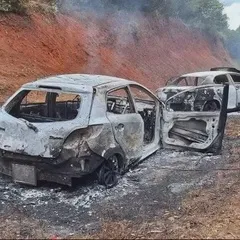
Two people are dead in Embu. Vehicles have been burned. A Member of Parliament's home was surrounded by police. And the most alarming response from the political class — across party lines — has been to immediately assign blame to the other side rather than to mourn or to ask the question that matters: how did we get here?
Deputy President Kindiki blamed Manyatta MP Mukunji. Gachagua blamed Kindiki. Mukunji blamed "state actors." The Interior PS blamed people who attend rallies they don't support. Nobody — nobody in the political leadership — simply stood up and said: we are destroying the social contract that makes democratic politics possible.
Kenya has a history with political violence that should have made us permanently allergic to its normalisation. 2007 and 2008 cost 1,500 lives and left 600,000 internally displaced. The consequences of that period — PTSD, broken communities, economic setback, international reputational damage — lasted for years. We swore we had learned.
What we see in Embu, and what we have seen in a dozen other political flashpoints since the 2027 campaign began taking shape, suggests we have forgotten more than we learned. Politicians weaponise their supporters and then express theatrical shock when those supporters do damage. The formula is too familiar to be coincidental.
There are structural solutions that Kenya's political leaders could implement if they chose to. The Political Parties Act could be amended to impose individual financial liability on party leaders whose supporters engage in violence. The Director of Public Prosecutions could be given political violence as a designated priority prosecution category. The NCIC — tasked with preventing incitement — could be given actual prosecutorial teeth rather than the current advisory role that allows it to publish reports that nobody reads.
None of this will happen unless ordinary Kenyans demand it with the same urgency they brought to the streets in 2024. The Embu deaths are not an Embu problem. They are Kenya's problem, and the clock to 2027 is running.